
Best Cities in Ecuador for Expats in 2026: The Honest City-by-City Guide
Ecuador runs on U.S. dollars. That’s the first thing worth knowing: the country adopted the dollar in 2000, and it changes everything about living there as an American expat. No exchange rate anxiety, no currency risk, no mental math at the grocery store. You budget in dollars and spend in dollars.
The second thing worth knowing: Ecuador is not one place. You can live at 9,000 feet in a colonial highlands city where it never gets above 70°F and never drops below 50°F. Or you can live at sea level in a beach town where 85°F and a steady Pacific breeze are just called “Thursday.” The cities are that different; different climates, different costs, different expat communities, different daily rhythms.
This guide covers the six best cities in Ecuador for expats in 2026, with honest numbers, real trade-offs, and a direct recommendation framework. You won’t leave with more options to research; you’ll leave with a direction.
For the full picture on visas, banking, and logistics, see the Moving to Ecuador: Complete Guide.
Quick Decision Matrix: Which Ecuadorian City Is Right For You?
Skip to your profile. Read the details after.
| If you are… | Best city |
|---|---|
| Retiree on a fixed income | Cuenca: lowest cost, largest expat community, spring climate |
| Retiree wanting ocean access | Salinas or Manta |
| Digital nomad / remote worker | Quito: best infrastructure and coworking scene |
| Business professional | Quito: Ecuador’s commercial and political capital |
| Family relocating | Cuenca: top international schools, safe, manageable pace |
| Beach lifestyle, expat neighbors | Salinas: Ecuador’s primary expat beach town |
| Culture, food, direct flights | Quito: UNESCO old town, best restaurants, GYE and UIO airports |
| Absolute lowest budget | Loja: $700–$1,100/month possible; tiny expat community |
| Business gateway to Galápagos | Guayaquil: Ecuador’s largest port city |
Understanding Ecuador’s Climate Zones: Read This First
Most guides skip this section. Don’t. Climate is the single biggest factor in which city you’ll actually enjoy living in.
Ecuador has three climate zones, and the major expat cities span all of them:
Andean Highlands (Sierra): Quito, Cuenca, and Loja sit between 2,100m and 2,850m (roughly 7,000–9,300 feet). These cities have spring-like weather year-round; temperatures ranging from about 50–72°F. No air conditioning needed. Layers at night. Two rainy seasons (March–May and September–November) bring afternoon showers that usually clear by evening.
Pacific Coast (Costa): Guayaquil, Salinas, and Manta sit at or near sea level. Tropical. Hot. 80–95°F most of the year, humid in Guayaquil, drier in Salinas during the main tourist season (May–December). Air conditioning is standard in any livable apartment here.
Amazon (Oriente): Technically exists, but not an expat destination. Skip it.
The altitude reality: Both Quito (2,850m) and Cuenca (2,550m) sit above the threshold where most people feel altitude effects on arrival; headaches, fatigue, shortness of breath during exertion. Most healthy adults adjust in one to two weeks. Some take longer. People with cardiovascular or pulmonary conditions need to consult a physician before committing to either city long-term. This is not a small-print disclaimer; it’s a genuine consideration.
The Cumbayá solution (covered in the Quito section) offers a workaround for those who want highland convenience at lower altitude.
Cuenca: Ecuador’s Top Expat City for Retirees
Cuenca has appeared on International Living’s top retirement destination list for over 15 consecutive years. For once, the ranking holds up in real life.
It’s a UNESCO World Heritage city of 650,000 people at 2,550 meters, with four rivers running through the historic center, colonial architecture dating to the 1500s, and one of the strongest private healthcare systems in Ecuador outside Quito. The expat community is large; estimates run 5,000–8,000 North Americans and Europeans at any given time, and has been building infrastructure here for two decades.
Cost of Living in Cuenca
Prices have risen 15–25% since 2020 across Ecuador, and Cuenca is no exception. But it’s still dramatically cheaper than U.S. alternatives.
| Expense | Monthly Cost |
|---|---|
| 1BR furnished apartment | $350–$600 |
| 2BR furnished apartment | $550–$1,000 |
| Groceries (couple) | $200–$350 |
| Dining out (2x/week, couple) | $100–$200 |
| Private health insurance | $80–$150/month |
| Transportation (taxis + tranvía) | $40–$80 |
| Total (comfortable couple) | $1,400–$2,200 |
U.S. Social Security alone often covers a Cuenca lifestyle. The $1,458/month pension threshold for Ecuador’s Jubilado (retiree) visa is lower than most countries in the region; one of the reasons Cuenca draws so many American retirees.
Cuenca Neighborhoods
El Centro / Casco Histórico: The UNESCO district. Walkable to everything, authentically Ecuadorian, cobblestone streets. A good starting point for the first 6–12 months. Older buildings can have plumbing quirks, and street noise from festivals and traffic is real. 1BR furnished: $350–$500.
Ordóñez Lasso (Gringolandia): The informal name locals use for the area west of downtown where expat infrastructure has concentrated along the Tomebamba River. Supermaxi Las Americas (the best supermarket) is walking distance. English-speaking services cluster here. Quieter and more suburban than El Centro. 1BR: $450–$700.
El Ejido: Adjacent to El Centro, slightly more residential. Popular with younger expats and digital nomads. Good value, walkable. 1BR: $350–$550.
Challuabamba / Ricaurte: Suburban developments on the city outskirts. Newer construction, more space, quieter. Popular with families and retirees wanting a house rather than an apartment. Requires a car. 1BR from $500; houses from $700–$1,200.
For your first month in Cuenca, Booking.com has furnished apartments in El Centro and El Ejido with monthly rates; useful while you scout neighborhoods in person before signing a lease.
Expat Community in Cuenca
The community infrastructure here is real. CuencaHighLife.com publishes English-language local news and events. The Cuenca Gringos Facebook group handles day-to-day logistics questions. Weekly coffee meetups, hiking groups, expat restaurants, English-speaking doctors, lawyers, and real estate agents; all available.
The flip side: the expat community is primarily retirees, and the social scene reflects that. If you’re 35 and building a career or startup, you’ll find Quito more suitable.
Healthcare in Cuenca
Multiple modern private hospitals serve expats well; Hospital Monte Sinaí and Clínica Humanitaria are the names you’ll hear most. Private GP visits: $25–$40. Specialist consultations: $40–$70. Many physicians in the private sector trained in the U.S. or Europe. Private insurance at $80–$150/month covers most situations. Ecuador has public healthcare through IESS as well, but most expats use private providers. See → Ecuador Healthcare Guide.
Best For / Worst For
Best for: Retirees wanting established community; budget-focused long-term expats; families needing safety and international school access; people who want to plug into an existing expat social life rather than build one from scratch.
Worst for: Digital nomads needing coworking depth; beach lovers (coast is 3 hours away); anyone with altitude sensitivity.
Quito: Capital City, Culture, and the Best Infrastructure in Ecuador
Quito is what you choose when you need the capital to work for you. It’s the only city in Ecuador with direct international flights to major U.S. hubs, the best business infrastructure in the country, and a food and arts scene that genuinely competes with larger Latin American capitals.
The historic old town is extraordinary: a UNESCO site of 16th-century Spanish colonial architecture covering 320 hectares, the largest and best-preserved in the Americas. But Quito is also genuinely modern in the new city neighborhoods to the north.
Cost of Living in Quito
Quito costs more than Cuenca. Not dramatically, but noticeably.
| Expense | Monthly Cost |
|---|---|
| 1BR furnished (La Mariscal/La Floresta) | $500–$900 |
| 1BR furnished (Cumbayá/Tumbaco) | $600–$1,100 |
| 2BR furnished | $700–$1,400 |
| Groceries (couple) | $250–$400 |
| Dining out (2x/week, couple) | $120–$250 |
| Total (comfortable couple) | $1,600–$2,500 |
Quito Neighborhoods
La Mariscal: The traditional expat neighborhood; high concentration of international restaurants, English-speaking services, hostels, and nightlife. Gets louder on weekends. A solid starting point for people who want maximum orientation speed. 1BR: $500–$900.
La Floresta: Increasingly popular with creative professionals and younger expats. Arts galleries, independent cafés, walkable. Less tourist-oriented than La Mariscal. 1BR: $450–$800.
González Suárez: Upscale and quieter, with panoramic views of the valley. Higher rents, but some of Quito’s nicest apartments. 1BR: $700–$1,300.
Cumbayá / Tumbaco (El Valle): This is what Quito expats call “the Valle”: a suburban cluster 20 minutes east of central Quito at 2,400m (lower altitude than the city center). Many expats specifically move here to reduce altitude effects while maintaining Quito access. Best international schools are concentrated in this area. 1BR: $600–$1,100.
For a test month in Quito, Booking.com has furnished apartments in La Mariscal and La Floresta with good monthly-rate options.
The Altitude Reality in Quito
Quito sits at 2,850m: the highest major expat city in Ecuador. That’s not casual. Most healthy adults adjust in one to two weeks, but the first few days involve real fatigue and occasionally headaches. The Cumbayá solution (above) drops you 450m in elevation and 20 minutes from the city, which makes a meaningful difference for many people. If altitude is your main concern about the highlands, investigate Cumbayá before ruling out Quito entirely.
Best For / Worst For
Best for: Digital nomads and remote workers (best coworking options; fastest internet); business professionals; families who need international schools (American, British, and German schools in Quito suburbs); anyone who needs direct international flights; culture and food seekers.
Worst for: Retirees whose priority is maximum ease and community (Cuenca serves that better); people with serious altitude sensitivity; budget-focused expats where every dollar matters.
Guayaquil: Ecuador’s Commercial Capital
Ecuador’s largest city is hot, humid, and primarily chosen by people with a business reason to be there. At sea level on the Pacific coast, Guayaquil runs 85–95°F year-round with significant humidity. Air conditioning is not optional; it’s infrastructure.
That said, Guayaquil has improved substantially in safety and urban quality over the past decade. The Malecón 2000 waterfront development is genuinely pleasant. The neighborhoods of Samborondón and Kennedy Norte are where most expats land; quieter, modern, and considered safe.
Key facts for Guayaquil:
- 1BR furnished: $450–$800/month
- Monthly total (comfortable couple): $1,200–$1,800
- Expat community: Smaller and more business-focused than Quito or Cuenca
- Best for: Business professionals working in Ecuador’s commercial sector; people using Guayaquil as a Galápagos base; those who genuinely prefer tropical heat to highland chill
- Worst for: Retirees wanting the community depth of Cuenca; people who dislike heat and humidity
Simon Bolívar International Airport (GYE) gives Guayaquil direct flights to Miami, Panama City, Bogotá, and Lima; useful if travel is frequent.
Salinas: Ecuador’s Main Expat Beach Town
Salinas sits on the Santa Elena Peninsula, 2.5 hours from Guayaquil by bus or car. It’s Ecuador’s primary beach town with an established expat presence; primarily U.S. retirees who chose ocean over mountains. The pace is slow in the way beach towns always are, and that’s exactly the point.
The downtown Malecon runs along a curved bay. Pelicans on the beach posts. Ceviche shops every 50 meters. Weekends in dry season (June–December) bring Guayaquil day-trippers, but weekday Salinas is genuinely quiet.
Key facts for Salinas:
- 1BR furnished: $350–$650/month
- Monthly total (comfortable couple): $900–$1,400; among the most affordable Ecuador options
- Climate: 75–85°F year-round; drier and sunnier than Guayaquil; rainy/overcast January–April
- Expat community: Small but established; majority U.S. retirees; English widely spoken in expat areas
- Coworking: None worth mentioning. Internet can be intermittent. Do not plan to work remotely from Salinas.
- Best for: Retirees wanting beach lifestyle at low cost; people trading city amenities for Pacific access; slow-paced, low-stress retirement
- Worst for: Digital nomads (internet reliability is a real problem); families needing international schools; anyone who needs regular urban infrastructure
The climate trade-off from the highlands: no altitude issues at all, but 25°F warmer and much more humid. People who struggled to adjust to Cuenca’s altitude often find Salinas an easier landing.
Manta: The Coastal City With More to Offer
Manta is growing as an expat destination and has advantages Salinas doesn’t. It’s Ecuador’s busiest fishing and cargo port, which means actual city infrastructure; proper hospitals, a commercial center, more restaurant options; alongside Pacific beach access. Smaller than Guayaquil, more developed than Salinas.
The downside: the expat community is smaller and less organized than Salinas, and you’ll need more Spanish comfort to handle daily life. But rents are among the lowest of any city in this guide.
Key facts for Manta:
- 1BR furnished: $300–$550/month
- Monthly total (comfortable couple): $900–$1,400
- Climate: 75–88°F; generally drier and less humid than Guayaquil; good beach weather
- Expat community: Growing but small; less organized than Salinas
- Best for: Budget-focused retirees wanting coast with more city than Salinas; people comfortable building their own community; those who want direct hospital access without Guayaquil’s scale
- Worst for: Digital nomads; expats wanting pre-built community infrastructure; anyone needing proximity to major airports (Guayaquil is 3+ hours away)
For smaller Pacific beach towns: Ayampe expat guide covers the quiet fishing village with growing surf community 1.5h south of Manta.
Loja: Ecuador’s Ultra-Budget Alternative
Loja doesn’t appear in most expat guides, which is exactly why it belongs in this one.
Ecuador’s southernmost major city sits at 2,100m; about 700m lower than Cuenca, which makes altitude adjustment easier. It has a university and a strong domestic cultural life. The climate is warmer than Cuenca (65–75°F versus 57–68°F), and rents are the lowest of any major city in Ecuador. Proximity to Podocarpus National Park gives nature access that the other cities don’t have.
The honest catch: the expat community is tiny. You’ll be a pioneer, not plugging into an existing network. You need real Spanish comfort. And Loja is genuinely off the main Ecuador expat circuit; fewer English-speaking services, fewer people who’ve figured out the system before you.
Key facts for Loja:
- 1BR furnished: $250–$450/month: the lowest in Ecuador
- Monthly total (comfortable couple): $700–$1,100
- Climate: 65–75°F year-round; pleasant; slightly warmer and drier than Cuenca
- Altitude: 2,100m; more forgiving than Quito or Cuenca
- Expat community: Very small; requires Spanish fluency and comfort with being unusual
- Best for: Budget-maximizing expats who are comfortable in Spanish; people who want authentic Ecuador without an expat bubble; nature-oriented expats
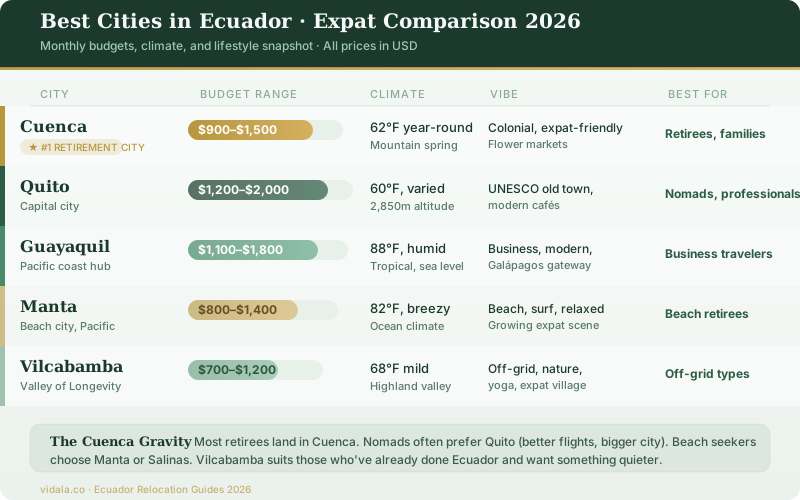
Ecuador City Comparison Table
| City | Monthly Budget (couple) | Climate | Altitude | Expat Community | Best Profile |
|---|---|---|---|---|---|
| Cuenca | $1,400–$2,200 | 57–68°F spring | 2,550m | ★★★★★ | Retirees, families |
| Quito | $1,600–$2,500 | 55–72°F spring | 2,850m | ★★★★☆ | Nomads, professionals |
| Guayaquil | $1,200–$1,800 | 85–95°F tropical | Sea level | ★★★☆☆ | Business, Galápagos |
| Salinas | $900–$1,400 | 75–85°F coastal | Sea level | ★★★☆☆ | Retirees (beach) |
| Manta | $900–$1,400 | 75–88°F coastal | Sea level | ★★☆☆☆ | Budget coast |
| Loja | $700–$1,100 | 65–75°F highland | 2,100m | ★☆☆☆☆ | Ultra-budget, pioneers |
Ecuador Visa Overview
All six cities fall under the same Ecuador visa framework. The most relevant options:
Jubilado (Pensioner) Visa: $1,458/month in pension income. No age minimum. Social Security, military pension, SSDI; all qualify. One of the lowest pension thresholds in Latin America. See → Ecuador Visa Guide.
Rentista Visa: $1,458/month in passive income from outside Ecuador. Covers rental income, dividends, investment returns.
Digital Nomad (Rentista subcategory): $1,458/month in provable remote income. Employment contracts, client agreements, or business registration required.
Tourist entry: 90 days visa-free for U.S., Canadian, and EU citizens. Extendable to 180 days via Migración Ecuador. Use it to scout multiple cities before committing.
Money and Banking in Ecuador
Ecuador’s dollarized economy is your practical advantage here. Wire transfers from the U.S. arrive in dollars. Your Ecuadorian landlord invoices in dollars. The ATM dispenses dollars.
That said, international wire fees and ATM withdrawal fees add up over time. Wise is worth setting up before you arrive; mid-market exchange rates and low fees for moving money from U.S./Canadian accounts, plus a debit card that works across Ecuador without foreign transaction fees.
For health coverage while scouting cities, SafetyWing Nomad Insurance covers Ecuador at a low monthly cost: a reasonable option while you decide on a city and before you commit to a local provider.
Frequently Asked Questions
Is Cuenca really the best for retirees? For most, yes. The combination of established community, colonial city setting, spring climate, very low cost, and strong private healthcare is hard to beat. The main exceptions: Salinas for beach retirees, Quito for retirees needing regular flights or professional services.
Can I live in Ecuador without speaking Spanish? In Cuenca’s Ordóñez Lasso neighborhood and Quito’s La Mariscal, largely yes. Outside those corridors, Spanish is essential, and basic conversational Spanish pays off fast. Ecuador is not Panama City, where English is common across the professional class.
What’s the safest city? Cuenca is consistently the standout on safety; it’s the city where expats leave feeling most relaxed about daily life. Quito and Guayaquil are safe in expat neighborhoods; both require more situational awareness in peripheral areas and at night. Salinas and Manta are generally low-risk environments.
Is Ecuador as cheap as people say? Yes, but 2018 prices are gone. Across all six cities, costs have risen 15–25% since 2020. Ecuador is still dramatically cheaper than the U.S. and Canada. Cuenca’s $1,400–$2,200/month couple budget competes with almost nothing in North America. But don’t budget on 2019 numbers you read somewhere.
Does Ecuador use the U.S. dollar? Yes. Officially since 2000. No currency conversion, no exchange rate risk, no local currency to figure out. For Americans, it’s the simplest financial transition of any Latin American expat destination.
Is altitude a serious concern? At Quito (2,850m); yes, genuinely. Most healthy adults adapt in 1–2 weeks, but the adjustment is real and some people struggle more than others. At Cuenca (2,550m); real but somewhat more forgiving. At Loja (2,100m); most people notice very little. If you have heart or lung conditions, get a physician’s assessment before committing to either highland city.
Which City Should You Choose?
Cuenca wins for most retirees: established community, beautiful colonial city, spring climate, excellent healthcare access, and the lowest cost of the highland cities. It’s the city most people mean when they say “I want to retire in Ecuador,” and it earns that reputation.
Quito wins for digital nomads, professionals, and families: capital infrastructure, the best international schools, direct international flights, Ecuador’s best food scene, and coworking depth that Cuenca simply doesn’t have yet.
Salinas and Manta are for people who’ve already decided they want coast. They’re not compromises; they’re genuine lifestyle choices for people who want Pacific access at low cost and a slow pace.
Guayaquil serves specific purposes: business, Galápagos, or situations where living in a major commercial city matters more than climate or community.
And Loja is real if your budget is tight and your Spanish is solid. The numbers work; $700–$1,100/month for a couple is possible there, and the climate is arguably Ecuador’s most pleasant at 2,100m.
A 2–4 week scouting trip through at least two cities will clarify your preferences faster than any guide. Start with the city that fits your profile on paper, then spend a week in your second choice. What you discover about yourself in those weeks is more useful than anything written here.
→ Moving to Ecuador: Complete Guide → Ecuador Visa Guide → Ecuador Healthcare Guide → Cuenca, Ecuador: The Complete Expat Guide → Quito Cost of Living: The 2026 Guide